
You need a contract signed fast, but you are not sure if digital signatures carry the same legal weight as pen and paper. That doubt is common, especially for business owners, HR teams, freelancers, landlords, agencies, and legal teams handling documents online.
So, are digital signatures legally binding in the UK? In most everyday business situations, yes. But the answer depends on the document, the signer’s intention, and whether any special signing rules apply.
You may also be asking: what is a digital signature, e-signature, or electronic signature in simple terms? This guide breaks it down clearly, without legal jargon, so you know when online signing is safe, valid, and practical.
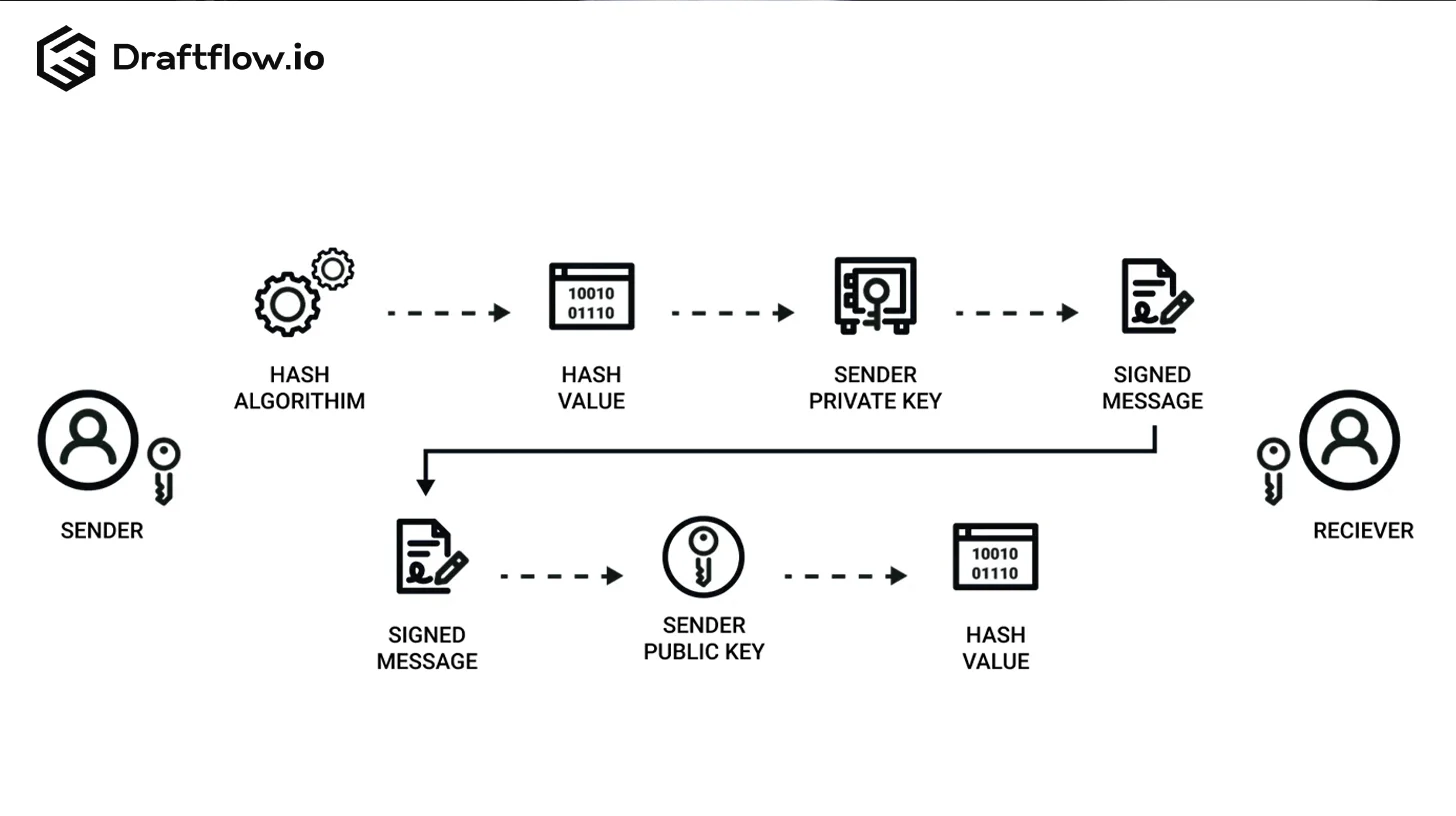
One safe kind of electronic signature is a digital signature. It uses technology to prove who signed a document and whether the document was changed after signing.
An e-signature, also called an electronic signature, is the wider term. It can include many ways of signing something electronically, such as:
The key difference is security.
An e-signature can be simple. A digital signature normally adds stronger proof through encryption, identity checks, certificates, audit logs, or tamper detection.
Here is a simple way to understand it:
While not all electronic signatures are digital signatures, all digital signatures are electronic signatures.
For example, typing your name under an email can count as an electronic signature in some situations. But a certificate-based digital signature gives stronger evidence because it can show identity, the time of signing, and whether the file was changed later.
This matters because UK law often focuses less on the style of the signature and more on the signer’s intention. Did the individual intend to approve and sign the document? Was the document handled in a way that can be trusted? Were any extra legal rules followed?
Digital signatures matter because modern business moves fast. Waiting for printed documents, postage, scanning, and manual filing slows everything down.
For many UK businesses, online signing helps with:
Think about a recruitment agency hiring a new contractor. The agency needs the agreement signed before work starts on Monday. With paper signing, the process can take days. With an e-signature platform, the contractor can review, sign, and return the agreement in minutes.
The same applies to service agreements, supplier contracts, NDAs, employment documents, order forms, lease-related paperwork, onboarding forms, and internal approvals.
The real benefit is not just speed. It is proof.
A good digital signing process can record useful evidence, such as:
That audit trail becomes important if someone later says, “I never signed that,” or “That document was changed after I approved it.”
This is why digital signatures are not just a convenience tool. They can also support trust, compliance, and record-keeping.
Using digital signatures correctly is not difficult, but you should follow a clear process.
The first step is to confirm that the document is suitable for electronic signing. Most standard commercial contracts can be signed electronically. This often includes service agreements, sales contracts, supplier agreements, employment documents, NDAs, engagement letters, and internal business approvals.
The second step is to make the signer’s intention clear. The document should show that the person is signing to approve, accept, or agree to the terms. Do not leave the action vague.
Use wording such as:
The third step is to choose the right signing method for the risk level.
For a low-risk internal approval, a simple e signature may be enough. For a high-value commercial contract, use a secure signing platform with identity checks, time stamps, and a full audit trail.
The fourth step is to check whether witnesses are required. This is especially important for deeds. In England and Wales, a deed signed electronically can still require a witness to be physically present when the signer signs. Remote witnessing by video is not something you should assume is acceptable.
The fifth step is to keep the signed version safely. Store the final document, completion certificate, audit log, and any supporting identity evidence together. A signature is stronger when the full signing record is easy to find.
A smart signing process looks like this:
Here is a real-world example.
A small UK software company sends a service agreement to a new client. The client signs through an online platform. The platform records the signer’s email, time stamp, IP address, document history, and completed signature certificate. If the client later questions the agreement, the company has more than just a signature image. It has a full record showing the signing process.
That is the strength of doing it properly.
The biggest mistake is thinking every document can be signed online in the same way.
Most everyday business contracts are fine, but some documents need extra care. These may include deeds, certain property documents, wills, powers of attorney, regulated finance documents, and documents that have specific signing rules.
Another mistake is using a weak signing process for a high-risk agreement. For example, pasting a signature image into a PDF may work for simple cases, but it may not give enough evidence for a major contract dispute.
Avoid these common errors:
Cross-border contracts need extra care. A UK business may sign with a company in the EU, the US, the Middle East, or Asia. Each country can have different rules for electronic signing. If the contract is high-value or international, include a signing clause and ask a lawyer to confirm the correct method.
You should also avoid unclear signing pages. A signer should know exactly what they are signing and why. If the process is confusing, it becomes easier for someone to challenge it later.
Good signing is not only about the signature. It is about the full context around the signature.
The safest approach is to match the signing method to the level of risk.
For simple documents, a basic e-signature may be enough. For important contracts, use stronger controls.
Here are the best practices to follow:
A useful electronic signing clause may say that the parties agree that the document can be signed electronically and that electronic signatures are intended to have the same effect as handwritten signatures.
For higher-risk documents, consider advanced or qualified electronic signatures. These can add stronger identity checks and technical proof. They are not always needed for normal business contracts, but they can be useful where the value, risk, or compliance burden is higher.
Digital signatures also support better internal control. For example, a finance team can require director approval before a supplier contract is released. An HR team can keep employee documents in one secure system. A sales team can track unsigned proposals and reduce delays.
The goal is simple: make signing easy for the user and reliable for the business.
You are in a much stronger position if your procedure can demonstrate who signed, what they signed, when they signed, and that the document was not altered afterwards.
Digital signatures are a practical and widely accepted way to sign many UK documents, but they work best when you use them properly. The law does not only look at the shape of the signature. It looks at intention, evidence, document type, and whether any formal rules were followed.
For everyday business contracts, online signing can save time and reduce admin. For higher-risk documents, use stronger identity checks, secure platforms, and clear records.
If your business still relies on printing, scanning, and chasing signatures, now is the right time to review your signing process. Choose a secure e-signing workflow, protect your records, and make every agreement faster, clearer, and easier to manage.
Yes, digital signatures are legally binding for many UK business and personal documents when the signer intends to sign, and the correct formalities are followed. Some documents need extra care, such as deeds, property documents, wills, and documents with special legal requirements.
An e-signature is any electronic method used to sign a document, such as typing a name, clicking a button, or signing on a screen. A digital signature is a more secure type of e-signature that uses technology to verify identity and protect the document from changes.
Yes, most business contracts can be signed using digital signatures or other valid electronic signing methods. The main points are consent, intention to sign, clear terms, and good evidence of the signing process.
Not always. Many simple contracts do not need a witness, but deeds often do. In England and Wales, if a deed needs witnessing, the witness usually needs to be physically present when the person signs, even if the signature itself is electronic.
A typed name can be valid as an electronic signature in the right situation. The key question is whether the person typed the name with the intention of authenticating or approving the document.