
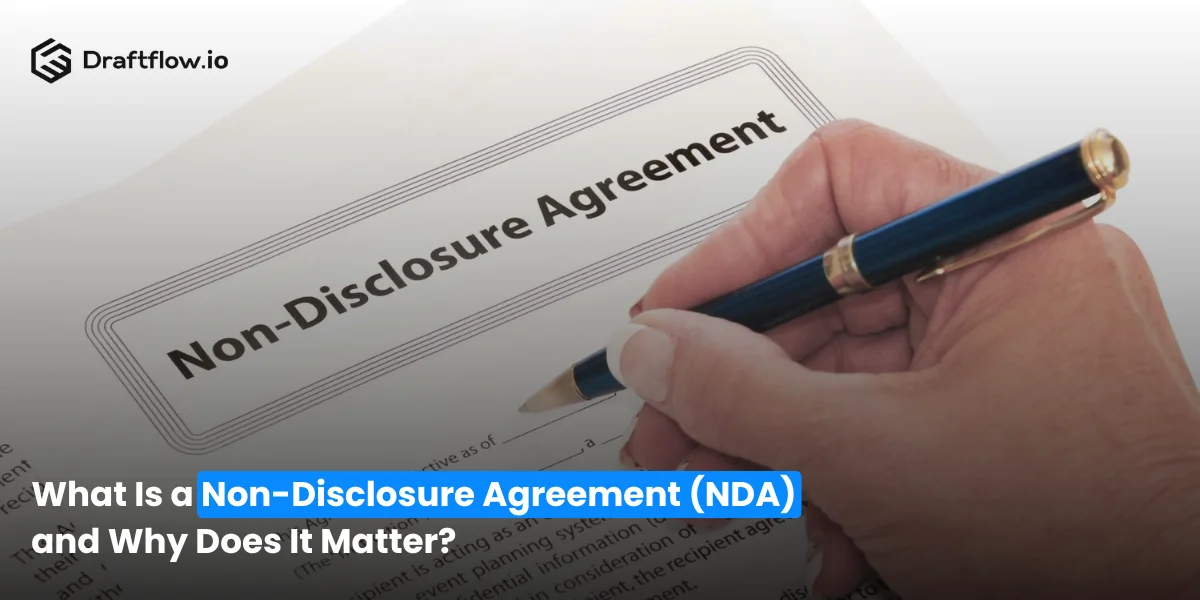
In modern business, information is one of the most valuable assets a company owns. Whether it is customer data, marketing strategies, software code, product designs, or financial plans, sensitive information can directly impact growth and competitiveness. That is why businesses across every industry rely on a NDA to protect confidential information before sharing it with employees, freelancers, investors, or business partners.
A Non-Disclosure Agreement, commonly known as an NDA, is a legal contract that prevents confidential information from being disclosed without permission. Businesses use NDAs to create trust, reduce legal risks, and secure valuable intellectual property. From a simple nda template used by small businesses to complex disclosure contracts for corporate partnerships, NDAs play a major role in professional relationships.
In the technology sector, an it non disclosure agreement is especially important because software companies frequently share proprietary systems, code, and technical processes.
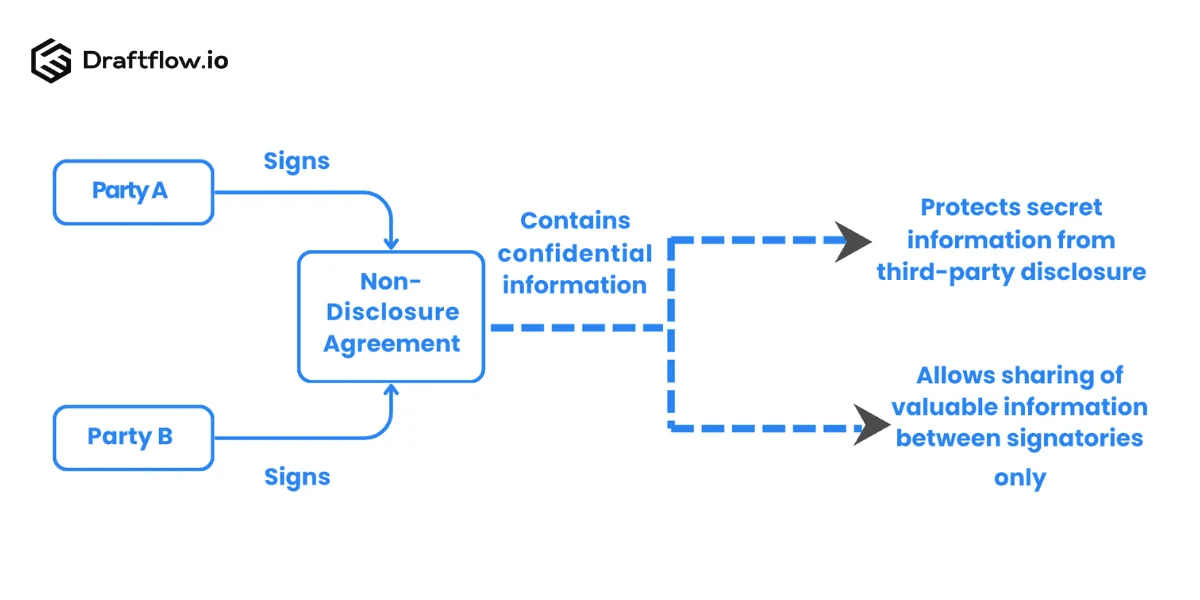
An NDA is a legally binding contract between two or more parties that protects confidential information from being shared with unauthorised individuals or organisations.
The agreement establishes clear rules about:
The main purpose of a Non-Disclosure Agreement is to protect private business information while allowing companies to communicate openly during professional relationships.
For example, a company developing a new mobile application may need to share technical details with a freelance developer. Without an NDA, the developer could potentially reuse or share the company’s ideas with competitors. A properly drafted agreement helps prevent that risk.
Businesses use NDAs because confidential information has real financial value. Once sensitive information becomes public, it can damage reputation, reduce market advantage, and create serious legal problems.
Here are some of the biggest reasons businesses rely on an NDA.
Intellectual property includes ideas, inventions, software, designs, formulas, and systems developed by a business. Companies invest significant time and money into creating these assets.
An NDA helps ensure that confidential ideas remain protected before patents or copyrights are secured.
Using disclosure contracts demonstrates professionalism and accountability. When businesses ask partners or employees to sign confidentiality agreements, it creates a stronger foundation for collaboration.
Sensitive business information can spread quickly. A NDA reduces the risk of internal or external leaks by legally restricting disclosure.
Companies often need to discuss confidential projects with investors, agencies, suppliers, and consultants. NDAs allow these discussions to happen safely.
Businesses handling customer information must take confidentiality seriously. In industries such as finance, healthcare, and technology, confidentiality agreements help support compliance and trust.
An NDA is useful in many professional situations. Businesses of all sizes use them regularly.
Here are the most common examples.
Employees often gain access to sensitive information such as internal systems, pricing models, and customer databases. An NDA helps ensure they do not disclose or misuse that information.
Freelancers frequently work with confidential materials. Whether hiring a designer, developer, marketer, or consultant, businesses often require confidentiality agreements before sharing project details.
Companies exploring partnerships or collaborations may exchange valuable strategic information. NDAs protect both parties during negotiations.
Start-ups commonly use disclosure contracts before presenting business models or proprietary ideas to investors.
An it non disclosure agreement is essential when software developers, IT consultants, or cybersecurity professionals gain access to sensitive systems or code.
During acquisitions or mergers, businesses exchange highly confidential financial and operational data. NDAs help secure that information throughout the process.
Not all NDAs are structured the same way. Different business relationships require different agreement formats.
A unilateral NDA involves one party sharing confidential information while the other party agrees to keep it private.
Example:
A company hiring a freelance graphic designer for a confidential product launch campaign.
Only one side is disclosing confidential information in this arrangement.
A mutual NDA protects both parties when each side shares confidential information.
Example:
Two technology companies discussing a possible software integration partnership.
Both parties need confidentiality protection.
A multilateral NDA involves three or more parties sharing confidential information under one agreement.
This type is common in large joint ventures or collaborative business projects.
Many businesses search online for an nda template because it offers a fast and affordable starting point for creating confidentiality agreements.
However, understanding the differences between templates, disclosure contracts, and specialised IT agreements is important.
An NDA template is a pre-written confidentiality agreement that includes standard legal clauses.
Typical sections include:
Templates are useful because they save time, especially for small businesses and freelancers. However, generic templates may not fully address industry-specific risks.
For example, a software company handling proprietary source code requires stronger protection than a general service business.
Disclosure contracts are broader legal agreements focused on controlling how confidential information is shared, stored, and protected.
These agreements are often more detailed than basic NDAs and may include additional clauses related to:
Businesses commonly use disclosure contracts during:
An it non disclosure agreement is specifically designed for technology-related work and confidential technical information.
Technology businesses face unique confidentiality risks because digital information can be copied and distributed quickly.
An IT NDA typically covers:
For software companies, NDAs are often one of the first legal documents signed before development begins.
A well-written Non-Disclosure Agreement should be clear, specific, and legally enforceable.
Here are the most important elements every NDA should include.
The agreement must clearly explain what information is protected.
Examples include:
Vague definitions can weaken the agreement.
This section explains how confidential information can be used and restricted.
The receiving party is usually prohibited from:
Most NDAs include a time limit for confidentiality obligations.
Common periods include:
The timeframe should be realistic and reasonable.
Not all information qualifies as confidential.
Most agreements exclude information that:
The NDA should explain what happens if confidentiality is violated.
Possible consequences include:
Clear consequences strengthen enforceability.
Several years ago, a digital agency outsourced part of a confidential e-commerce platform project to an external developer. Before sharing backend access and customer integration systems, both parties signed a non disclosure agreement.
During development, the agency discovered that portions of the platform’s proprietary checkout system had been reused in another client project. Because the NDA clearly defined ownership rights and confidentiality obligations, the agency was able to take immediate legal action and stop further misuse.
This situation demonstrates why a properly drafted NDA is not just a formality. It actively protects business assets and intellectual property.
Many businesses underestimate the importance of proper confidentiality agreements.
Here are some of the most common mistakes.
A basic nda template may not cover industry-specific risks or business requirements.
Customisation is essential.
Overly broad NDAs may become difficult to enforce in court.
The agreement should clearly define confidential information without trying to classify everything as secret.
Even strong disclosure contracts become ineffective if employees do not understand confidentiality expectations.
Businesses should regularly educate staff about data protection procedures.
Business operations evolve over time. NDAs should be reviewed periodically to ensure they still reflect current risks.
Different countries and regions have different rules regarding confidentiality agreements.
Businesses operating internationally should seek legal guidance to ensure compliance.
Yes, a Non-Disclosure Agreement is generally enforceable when it is properly written and reasonable.
Courts usually evaluate:
However, courts may reject NDAs that are excessively broad or unfairly restrictive.
This is one reason businesses often seek legal review before finalising important disclosure contracts.
Businesses should follow best practices to maximise the effectiveness of their NDAs.
Avoid unnecessary legal jargon. Clear agreements reduce misunderstandings.
Only provide confidential information to individuals who genuinely need access.
Businesses should combine NDAs with strong cybersecurity practices.
Keep digital and physical copies organised and secure.
Update NDAs whenever business operations, regulations, or partnerships change.
Large projects, international partnerships, and technology deals often require professional legal review.
The modern business environment increases confidentiality risks significantly.
Remote work, cloud systems, outsourcing, and digital collaboration tools make information sharing easier than ever. Unfortunately, they also increase the likelihood of accidental leaks or intentional misuse.
An it non disclosure agreement is now essential for businesses working with:
As businesses continue relying on digital systems, confidentiality agreements will become even more important.
A Non-Disclosure Agreement is one of the most effective legal tools for protecting sensitive business information. Whether you are working with employees, freelancers, investors, or technology partners, NDAs help create trust while reducing the risk of confidential information being exposed.
From a basic nda template used by small businesses to advanced disclosure contracts for corporate transactions and specialised non disclosure agreement documents for software projects, confidentiality agreements play a critical role in modern business operations.
If your business regularly handles private information, implementing strong NDAs should be a priority. Protecting confidential data today can prevent costly legal and financial problems tomorrow.