

Buying something should feel simple. You pay, the seller gives you what was promised, and everyone moves on. But what happens when your new phone stops working, a sofa arrives damaged, or a repair service is poor?
That is where the Consumer Rights Act becomes important. It gives UK buyers clear legal protection when they purchase goods, services, or digital content from a trader. In simple terms, it helps you know what to ask for when something goes wrong.
The Consumer Rights Act is a UK law that explains what buyers can expect from businesses. It mainly applies when a person buys from a trader, not when two private people sell to each other casually.
The law covers three common things:
A simple definition of the Consumer Protection Act is this: it is a law designed to protect people who buy products or services for personal use. The correct UK name is the Consumer Rights Act 2015, although some beginners search for it as the Consumer Act 2015.
The main idea is fairness. The seller should not promise one thing and provide another. A customer should not be left helpless when a product is faulty, a service is careless, or digital content does not work.
The Consumer Rights Act gives ordinary people confidence. You do not need to sound like a lawyer. You only need to understand the basic rights and explain the problem clearly.
The biggest benefits include:
Think of the law as a safety net. It does not make every shopping problem disappear, but it gives you a strong starting point when a trader refuses to help.
Faulty goods are one of the most common reasons people search for the Consumer Rights Act. Under the law, goods should be of satisfactory quality, fit for purpose, and as described.
“Satisfactory quality” means the item should meet the standard a reasonable person would expect. A cheap item may not last as long as a premium one, but it still should not be unsafe, broken, or unusable.
“Fit for purpose” means the item should do the job it was bought for. If you tell a shop you need waterproof shoes for hiking, and they recommend a pair that leaks on the first walk, that may be a problem under the Consumer Rights Act 2015.
“As described” means the product should match the listing, label, advert, sample, or model you were shown. If a website says a table is solid oak, but it arrives as thin veneer, the product has not matched the description.
A real-world example: Aisha buys a washing machine from a UK retailer. After two weeks, it starts leaking during every wash. She checks the manual, uses it correctly, and contacts the retailer with photos and her receipt.
Because the machine is faulty so soon after purchase, she can rely on the Consumer Rights Act and ask the retailer to fix the issue. Her first step is not to argue. Her first step is to clearly state what happened and what outcome she wants.
Refund rights are often misunderstood. Many people think every unwanted item can be returned under the Consumer Rights Act, but that is not always true. The law is strongest when goods are faulty, not simply when you change your mind.
If goods are faulty, the short-term right to reject usually gives you a chance to ask for a full refund within the early period after purchase. After that, the trader may have the opportunity to repair or replace the item first. If the repair or replacement fails, you may then be able to ask for a refund or price reduction.
Here is a simple way to think about it:
Services work slightly differently. If a service is carried out without reasonable care and skill, you may ask the trader to repeat the service or reduce the price. For example, if a decorator is paid to paint a room and leaves large missed patches, the answer may be a repeat performance or a price reduction rather than a normal product refund.
Digital content also has protection. If a paid app, game, download, or software product is faulty, the trader may need to repair or replace it. If faulty digital content damages your device because the trader failed to use reasonable care and skill, you may have further rights.
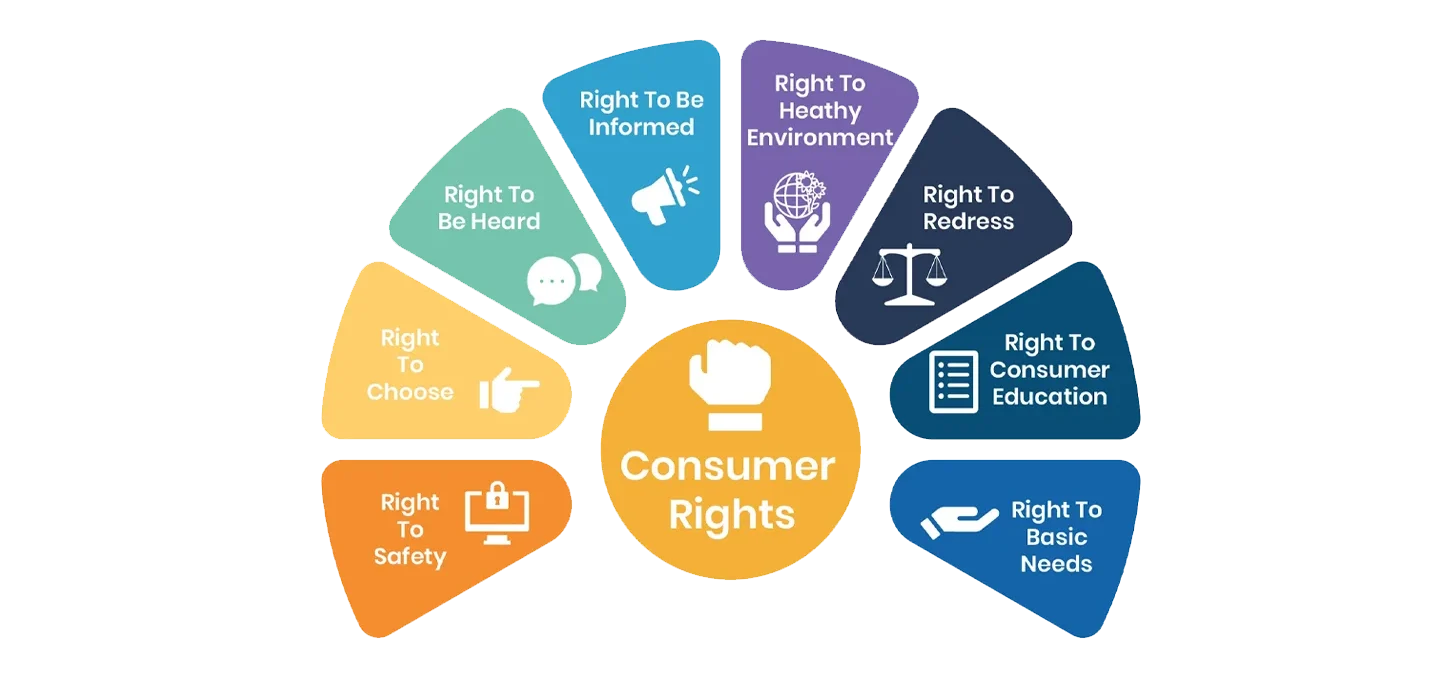
The Consumer Rights Act 2015 brought several consumer rules into one clearer law. For beginners, the most useful point is that the law groups everyday purchases into goods, services, and digital content.
This matters because modern buying is not only about physical items. You may buy a laptop, pay for a website subscription, download an app, and hire someone to repair your kitchen in the same month. The Consumer Rights Act gives a framework for all these situations.
The law also deals with unfair terms. A trader cannot usually rely on hidden, unfair, or unclear terms to take away basic consumer rights. For example, a sign saying “no refunds under any circumstances” does not automatically remove your legal rights if the product is faulty.
Beginners should remember one important rule: your contract is usually with the retailer or trader that sold you the item, not always the manufacturer. A shop may tell you to contact the brand, but that does not always end the shop’s responsibility.
Legal words feel easier when they are translated into plain English. Here are the main terms used in the Consumer Rights Act.
Consumer: A person buying mainly for personal use, not mainly for business use.
Trader: A business, seller, professional, or service provider acting for commercial purposes.
Goods: Physical items you buy, hire, or receive under a contract.
Digital content: Data supplied in digital form, such as apps, games, downloads, software, and streaming-related purchases.
Service: Work done for you, such as repairs, installation, cleaning, design, consulting, or building work.
Satisfactory quality: The item should be safe, durable, free from serious defects, and suitable for normal use.
Fit for purpose: The item should do what it is meant to do, especially if you explained your purpose before buying.
As described: The item or service should match the description given before you agreed to buy.
Unfair term: A contract term that puts the consumer at an unfair disadvantage and is not balanced or transparent.
These definitions are the heart of the Consumer Rights Act UK. Once you understand them, most problems become easier to explain.
The Consumer Rights Act is not just legal theory. It is a practical tool for everyday life. It helps when a product breaks too soon, a service is done badly, or a digital purchase does not work as promised.
For beginners, the best approach is simple. Know the basic rules, keep proof of purchase, contact the trader early, and ask for a clear solution. You do not need to use complicated legal language. You only need to explain the problem and refer to your rights.
The Consumer Rights Act UK gives buyers more confidence and reminds traders that fair treatment matters. When you understand it, you shop with more control and handle problems with less stress.
The Consumer Rights Act covers goods, services, digital content, and unfair contract terms. It helps when products are faulty, services are poor, digital content does not work, or contract terms are unfair.
Yes, the Consumer Rights Act 2015 remains the main UK law for many everyday consumer purchases. Other rules may also apply, especially for online buying, credit card payments, and regulated industries.
Not always under the Consumer Rights Act. If the item is not faulty, your right to return it may depend on online cancellation rules or the retailer’s own returns policy. Faulty items are treated differently.
A receipt helps, but it is not the only proof. Bank statements, order emails, delivery notes, or account records can also help show when and where you bought the item.
Keep it calm and clear. Say what you bought, when you bought it, what went wrong, and what remedy you want. You can write: “I believe this item is faulty under the Consumer Rights Act, and I would like a refund, repair, or replacement.
It can, if you bought from a trader. The expected quality may depend on age, price, and description. A used item does not have to be perfect, but it still should match the description and be reasonably usable.
Act quickly, keep evidence, and contact the trader in writing. Attach photos, order numbers, and a short explanation. The clearer your message, the easier it is for the trader to respond properly.