
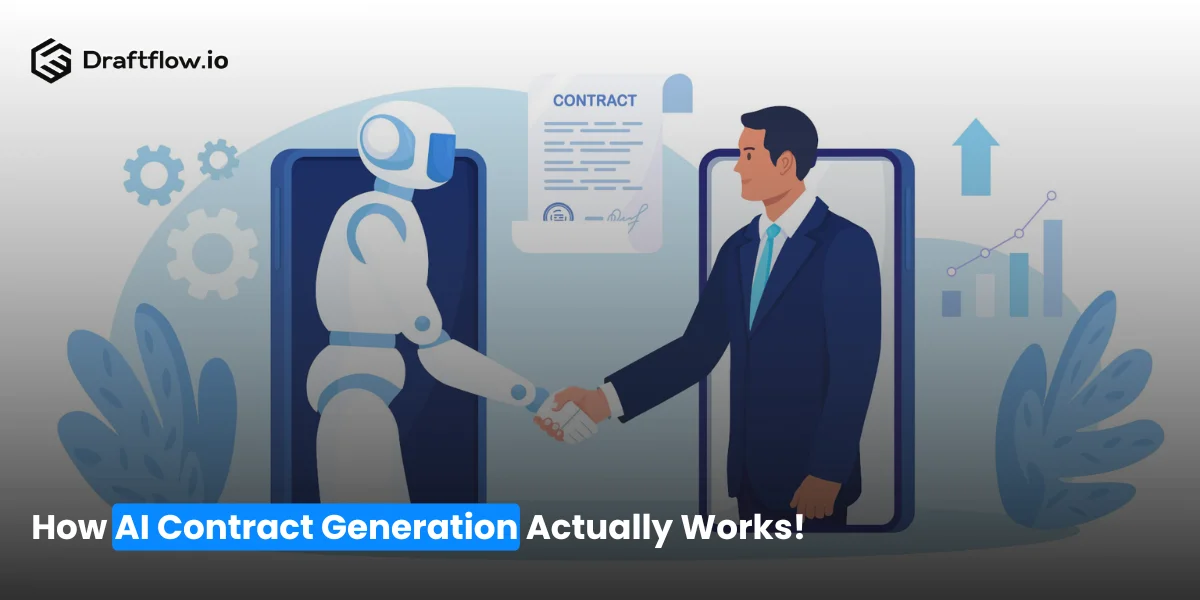
Creating legal contracts can feel overwhelming, especially if you’re in the UK and need to navigate complex regulations. That’s where AI contract generation comes in, a technology transforming the way businesses, freelancers, and individuals draft agreements. Instead of spending hours writing, reviewing, and cross-checking contracts, AI can streamline the process, reduce human error, and ensure compliance with UK law.
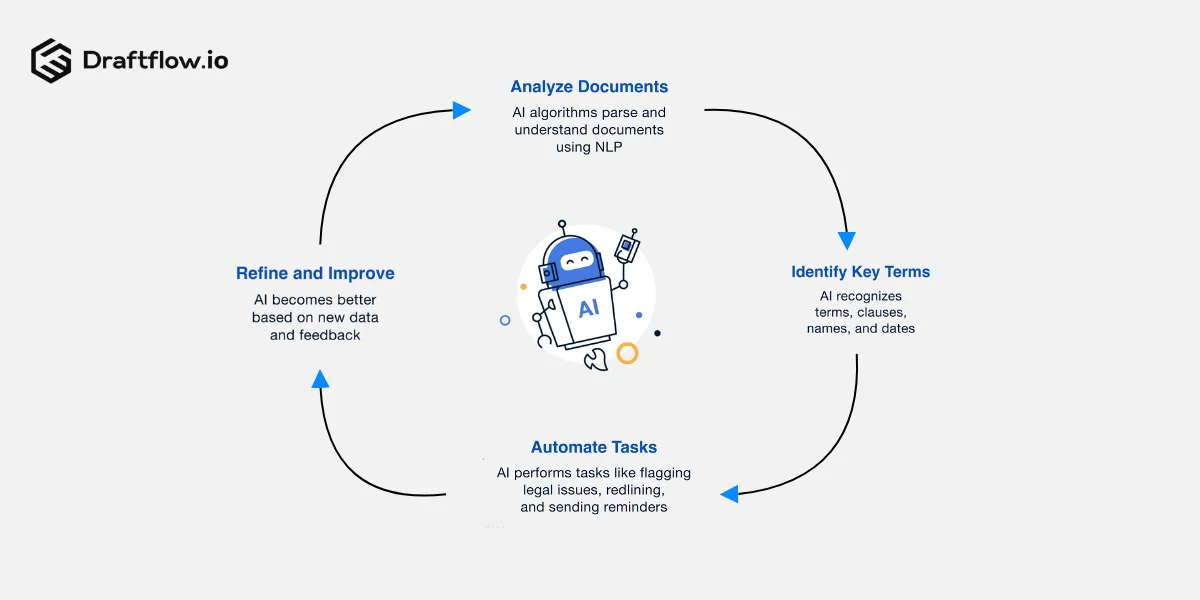
At its core, AI contract maker is the use of artificial intelligence to automatically create legal documents based on input data. Instead of starting from scratch, AI software can:
Think of it as having a virtual legal assistant that works 24/7, learning from thousands of existing contracts to create documents that are accurate and tailored to your needs.
Unlike traditional templates, AI-generated contracts are dynamic. They adapt to your specific circumstances, whether you’re drafting a partnership agreement, employment contract, or freelance service contract.
Understanding the process can help you trust and use AI tools more effectively. Here’s a breakdown of how AI contract generation typically works:
The first step is providing the AI with the necessary information. This may include:
Some advanced platforms allow you to answer guided questions to ensure the AI captures every detail.
Once the AI understands your requirements, it selects appropriate clauses from its legal knowledge base. This is where contract makers shine; they often come with pre-approved clause libraries tailored to UK law.
For example, if you’re creating a freelance service agreement, the AI might automatically include clauses about:
The AI ensures that each clause is relevant and legally compliant.
Some AI tools go beyond drafting. They can:
This step reduces the chances of legal complications later.
Even the best AI is not a substitute for human review. After generating the contract, you can:
This combination of AI efficiency and human oversight ensures the contract is both precise and personalised.
Implementing an AI contract maker offers several advantages, particularly for UK-based businesses and freelancers:
A real-world example: A UK marketing agency used AI to draft 50 client agreements in a single day, cutting the usual three-day process down to just a few hours. This not only sped up onboarding but also ensured that all contracts complied with UK regulations.
Many people wonder how AI differs from using standard templates. Here’s a quick comparison:
Feature | Traditional Templates | AI Contract Maker |
Customization | Manual editing required | Automatic, tailored drafts |
Compliance | The user must ensure legality | AI suggests legally compliant clauses |
Efficiency | Time-consuming | Fast, scalable |
Risk Detection | Minimal | Flags missing clauses and inconsistencies |
The key takeaway: AI contract builder is not just about convenience; it actively reduces risk and improves accuracy.
If you’re looking to implement AI in your contract workflow, the platform you choose matters. Here’s what to look for:
Some platforms also integrate with document signing tools, so you can complete the entire contract lifecycle from drafting to execution without leaving the software.
An AI contract builder is useful across industries. Some common examples include:
These use cases demonstrate how contract makers can simplify legal processes without compromising on quality.
While AI is powerful, there are a few points to keep in mind:
Being aware of these limitations ensures you use AI responsibly and effectively.
To get the most out of your AI contract tools:
Following these practices helps you leverage technology without compromising legal integrity.
The adoption of AI in contract generation is only the beginning. Future trends may include:
For UK businesses, staying ahead with AI means faster, safer, and more scalable contract management.
AI contract generation is transforming how individuals and businesses in the UK create agreements. By combining advanced technology with expert legal frameworks, it enables anyone, from freelancers to corporations, to draft contracts quickly, accurately, and safely. A reliable contract maker can save time, reduce errors, and simplify compliance, making contract management less daunting.
If you’re ready to streamline your legal workflow, explore AI-powered contract solutions and see how they can revolutionise the way you handle agreements.
AI contract generation is the use of artificial intelligence to draft legal contracts automatically. It analyses your inputs, such as parties, terms, and contract type, and creates a compliant document tailored to your needs, saving time and reducing errors.
A contract maker works by using pre-approved clause libraries, templates, and legal rules to generate contracts. You provide details about your agreement, and the AI drafts a document that’s consistent, legally compliant in the UK, and ready for review.
Yes. AI-generated contracts are legally valid in the UK as long as they meet the standard requirements for contracts: mutual agreement, consideration, and lawful purpose. However, for complex or high-stakes contracts, professional legal review is recommended.
AI can simplify drafting and reduce routine legal work, but it cannot fully replace a solicitor. AI is best for standard agreements, whereas a solicitor provides expertise for complex contracts, dispute resolution, and regulatory advice.
AI can create a wide range of contracts, including:
Reputable contract builders and contract makers use encryption and GDPR-compliant systems to protect your data. Always check the platform’s security measures before uploading sensitive information.
AI can reduce drafting time from hours or even days to just minutes, especially when creating multiple contracts. This efficiency is particularly beneficial for small businesses and freelancers in the UK.
Yes. While AI ensures consistency and compliance, human review is essential to verify accuracy, add unique clauses, and confirm that the contract fully reflects the parties’ intentions.