
An Affidavit is one of the most widely used legal documents across courts, administrative processes, and official declarations. Yet, many people are still unclear about what it actually is, how it works, and when it becomes legally necessary.
In everyday legal situations, individuals are often required to provide written statements under oath. This is where an Affidavit becomes essential. Whether it’s property matters, identity verification, or court proceedings, the document carries legal weight.
The concept of an affidavit often confuses beginners, but it simply refers to variations or repeated references used in documentation and search contexts highlighting the importance of understanding the core idea of an Affidavit itself.
An Affidavit is a written statement of facts that a person swears to be true before an authorised official such as a notary public or commissioner for oaths. It is legally binding, meaning any false declaration can lead to penalties for perjury.
In simple terms, an Affidavit is a formal way of saying:
“I declare that what I am stating is true, and I accept legal responsibility for it.”
An affidavit format may vary depending on jurisdiction, but the core purpose remains the same: to present truthful, sworn information.
An Affidavit is not just a document; it is a legal commitment.
An Affidavit is used in a wide range of personal, professional, and legal scenarios. It acts as proof when formal documentation is required but additional sworn confirmation is needed.
Governments and institutions often require an Affidavit to confirm identity details such as name changes or discrepancies in official records.
In property disputes or transfers, an Affidavit helps establish ownership claims or confirm legal status.
Lawyers frequently use Affidavit documents as evidence when a witness cannot appear physically in court.
Students and employees may submit an Affidavit to confirm qualifications or employment history.
Banks and financial institutions sometimes require an Affidavit to verify income sources or asset ownership.
The use of affidavit documentation is especially common in administrative processes where written proof must be legally verified.
The term affidavit affidavit is often seen in search queries, templates, and document references. While it may look repetitive, it usually points to variations, samples, or repeated usage of Affidavit formats in legal drafting.
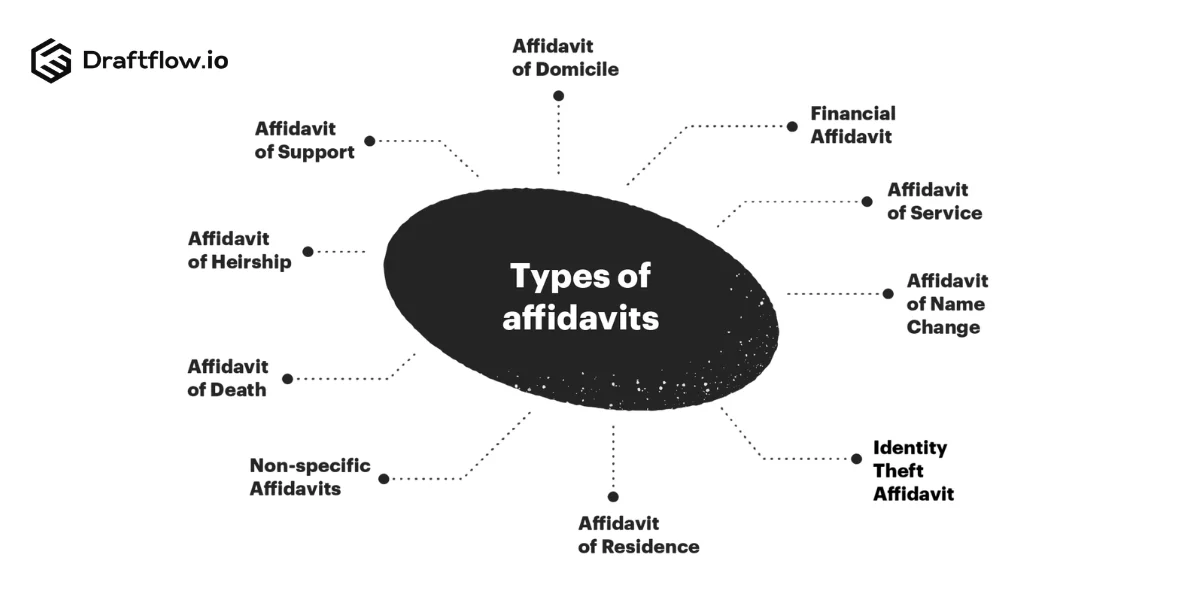
In practice, an affidavit scenario may include:
Understanding this helps avoid confusion when dealing with legal paperwork or online legal forms.
From my own experience assisting with documentation for property verification in Lahore, I encountered a case where two separate Affidavit documents were required, one confirming identity and another confirming residency. This is a practical example of how affidavit usage can appear in real administrative processes.
The Affidavit carries significant legal weight because it is considered sworn evidence. Courts and institutions treat it as a formal declaration backed by legal accountability.
An affidavit format used in legal systems must comply with strict guidelines to ensure authenticity and enforceability.
Providing false information in an Affidavit can lead to:
This makes accuracy extremely important when preparing any Affidavit.
Creating a valid Affidavit requires attention to structure, clarity, and legal compliance. While formats may vary, the essential components remain consistent.
Clearly label it as an Affidavit.
Include:
Clearly state that the information provided is true.
List facts in numbered paragraphs for clarity.
Confirm that the statement is made under oath.
Sign in front of an authorised official.
An affidavit template often simplifies this structure, but understanding each part ensures legal accuracy.
Even a small error can weaken the validity of an Affidavit. Here are common mistakes people make:
Missing details can lead to rejection.
Ambiguous statements reduce legal clarity.
An unsigned Affidavit is invalid.
This can result in serious legal consequences.
Poor formatting can affect acceptance in legal settings.
In affidavit drafting scenarios, repetition or template misuse often leads to formatting errors, which should be carefully avoided.
To make this practical, let’s consider a real-world situation.
A university student applying for a scholarship was required to submit an Affidavit confirming that they were not receiving any other financial aid. The student had to swear before a notary public that the information provided was accurate.
In this case:
This example shows how an Affidavit is not just a legal formality but a critical tool in decision-making processes.
In some cases, the student was also asked to submit a supporting affidavit document confirming family income details, strengthening the application.
The Affidavit is widely trusted because it is backed by legal consequences. Unlike informal statements, it holds the signer accountable under law.
This trust is why affidavit documentation is frequently used in multi-layered legal verification systems.
With digital transformation, the use of Affidavit documents has evolved. Many jurisdictions now allow:
However, the legal principles remain unchanged. Whether physical or digital, an Affidavit must always be truthful and properly verified.
The affidavit format is also increasingly available in editable templates online, making it easier for individuals to prepare documents correctly.
An Affidavit is a powerful legal document that serves as a sworn declaration of truth. It plays a vital role in legal proceedings, administrative processes, and official verification systems. Understanding how to prepare and use an Affidavit correctly ensures legal compliance and prevents costly mistakes.
Whether you are dealing with court matters, identity verification, or financial declarations, the Affidavit remains a trusted legal instrument. Even in complex cases involving affidavit documentation, the core principle stays the same: truth under oath.
If you are preparing any legal declaration, ensure your Affidavit is accurate, properly signed, and legally verified because once submitted, it carries full legal responsibility.