

Selling a car in the UK can feel daunting, particularly when it comes to ensuring the transaction is legally sound and fair for both parties. A car sale contract is more than just a formality; it serves as a legal safeguard, outlining responsibilities, payment terms, and conditions of ownership.
Traditional contract creation can be time-consuming, often requiring legal guidance or pre-designed templates that may not suit every unique situation. Today, artificial intelligence has transformed this process, offering tools that generate accurate, customised contracts in minutes.
AI helps sellers produce agreements that comply with UK laws, include all essential clauses, and reduce the risk of disputes. Whether you’re selling a personal vehicle or managing a dealership transaction, understanding how to create a car sale contract with AI can save time, minimise errors, and provide both parties with confidence.
This guide provides actionable steps, practical tips, and insights for leveraging AI to simplify vehicle sales in the UK.
Having a clearly defined contract is crucial for vehicle transactions. Many disputes in private car sales arise from misunderstandings about payment, vehicle condition, or delivery timelines. A well-prepared contract ensures both parties know their obligations, reducing legal risks and promoting transparency.
Key benefits include:
Even experienced sellers often overlook details, such as including exact mileage or noting prior damages. AI-powered contract tools eliminate these gaps, ensuring every contract is accurate, compliant, and tailored to the transaction.
AI technology simplifies contract creation by automating drafting while offering legal insights. Following these steps ensures your contract is both robust and customised.
Selecting the appropriate online contract maker UK is vital. Consider platforms that:
Platforms like these make it easier to generate contracts efficiently while maintaining professional standards.
Complete and precise information forms the backbone of a reliable contract. Include:
This ensures the AI tool generates a document reflecting the true terms of the sale. Any missing information could compromise the agreement’s enforceability.
AI platforms can suggest clauses, but reviewing them is critical. Key sections include:
Customising these clauses ensures the agreement protects both parties.
AI offers advantages beyond basic templates:
For example, AI can detect if mileage or registration numbers are inconsistent with the vehicle description, preventing disputes before they occur. It also allows you to save and reuse templates for future sales, streamlining ongoing transactions.
Even with AI, human oversight is essential. Consider these best practices:
Following these practices ensures the AI-generated car sale contract remains reliable and enforceable.
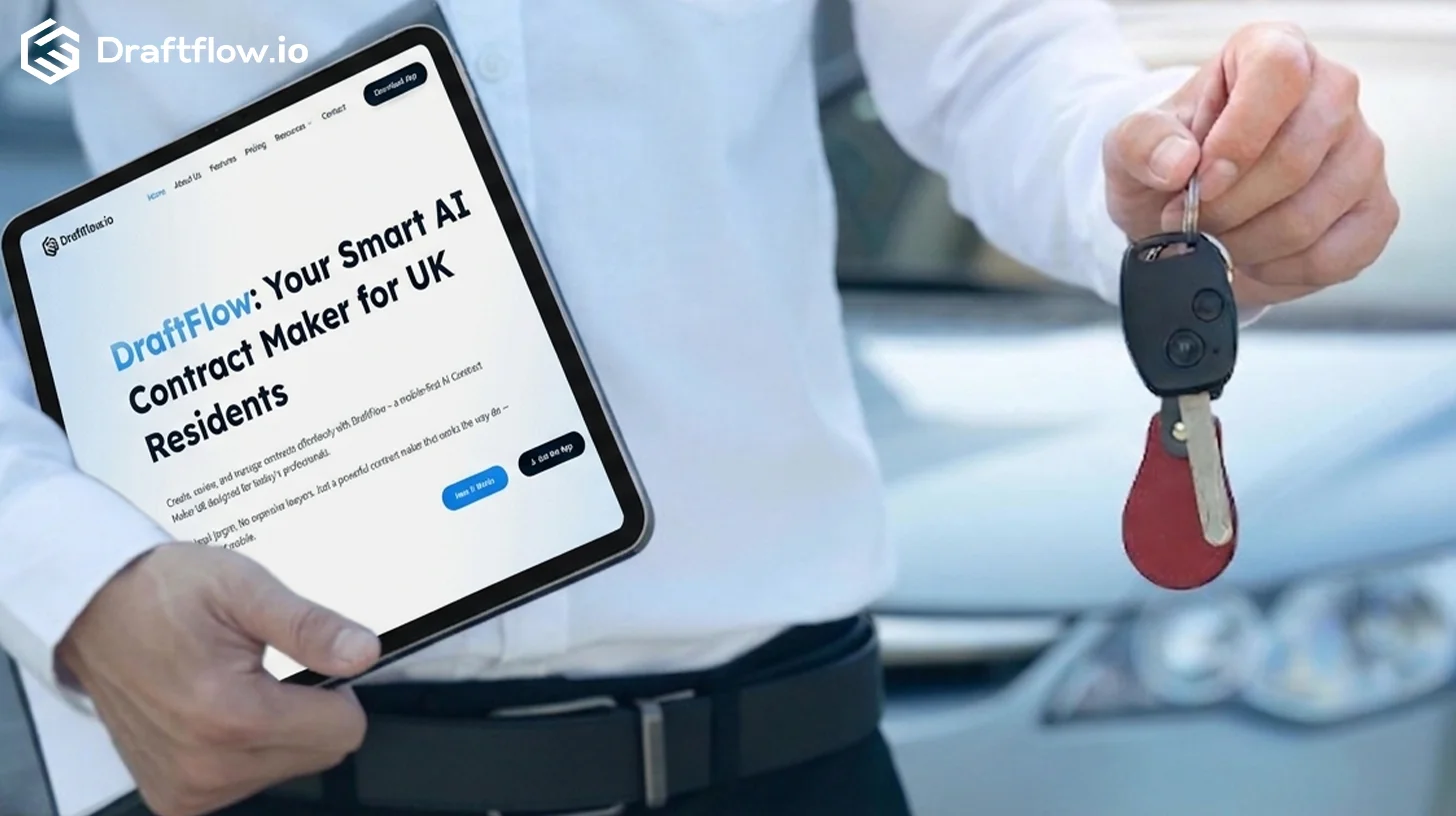
AI simplifies drafting, but errors can occur if the process is rushed. Common mistakes include:
Addressing these proactively reduces the risk of misunderstandings and ensures a legally secure transaction.
When creating your contract, it’s worth considering related agreements, such as a service agreement contract, eula agreement, or other documentation to cover additional obligations.
For example, including a reference to vehicle maintenance responsibilities or software licensing in modern connected cars protects both parties. Even if these agreements are not legally required, they provide extra clarity and prevent disputes.
AI-driven solutions often include pre-designed Forms that speed up the drafting process. Using structured templates ensures:
By combining these forms with AI, even complex transactions can be completed confidently without needing professional legal support, saving both time and costs.
To complete your agreement:
Once finalised, the car sale contract becomes a legally binding document, providing security and clarity for both seller and buyer.
Creating a car sale contract in the UK has evolved from a cumbersome legal task to a streamlined digital process thanks to AI. With automated drafting, legal compliance, and smart customisation, sellers can generate contracts that are precise, enforceable, and tailored to each transaction.
AI reduces human error, saves time, and allows for easy integration of additional protections like service agreements or digital licensing clauses. From selecting a reliable online contract maker UK to verifying vehicle details and payment terms, AI guides sellers through each step, ensuring both parties are protected.
Whether you are a private seller or operate a dealership, adopting AI tools for contract creation improves efficiency, enhances legal safety, and provides peace of mind, reflecting the modern evolution of vehicle transactions in the UK.
By investing time upfront, you safeguard your interests and build trust, making every sale smooth and dispute-free.
Q1: How can I ensure the buyer is legitimate?
Verify identification, request proof of insurance, and use secure payment methods to minimise risks.
Q2: Should I disclose all minor damages?
Yes, transparency builds trust and reduces the chances of disputes after the sale.
Q3: Is a signed contract enough if the payment is delayed?
A contract documents obligations but does not guarantee timely payment; consider using escrow services for high-value sales.
Q4: Can I make changes to the contract after signing?
Only if both parties agree in writing, amendments should be documented formally.
Q5: What should I do if the buyer refuses to accept the terms?
Negotiation is key; if unresolved, you can withdraw from the sale or seek professional advice.